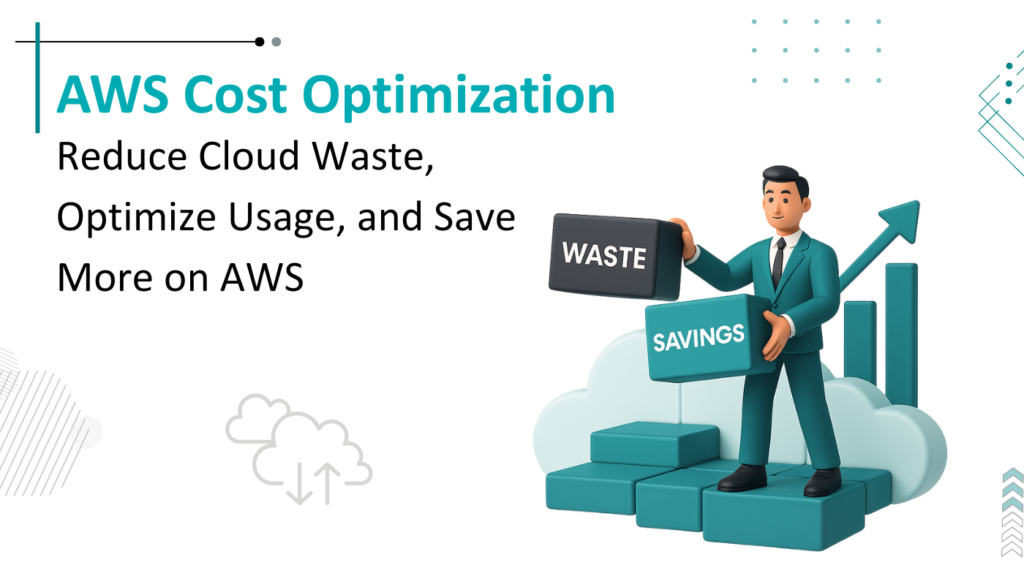

Are you tired of watching your cloud expenses soar while struggling to keep track of where all that budget is going? You’re not alone! As businesses increasingly migrate to the cloud, managing costs can feel like a daunting task. But fear not—this blog post is here to help you take control of your AWS spending! In this guide, we’ll unveil the top 10 cost optimization tips that will empower you to slash those soaring bills without sacrificing performance or scalability. Whether you’re a seasoned cloud architect or just starting on your AWS journey, these practical strategies are designed to put money back in your pocket and make your cloud investment work harder for you. Ready to unlock savings and maximize efficiency? Let’s dive in!
Introduction to AWS and Cost Optimization
In the fast-paced world of cloud computing, AWS (Amazon Web Services) stands out as a powerhouse, providing businesses with unparalleled flexibility and scalability. However, this convenience can come at a cost—literally. Many organizations find themselves grappling with inflated bills that seem to skyrocket overnight. The good news is that there are effective strategies to rein in those expenses without sacrificing performance or capability.
Cost optimization on AWS isn’t just about cutting corners; it’s about making smart choices that align your resources with your actual needs. By leveraging various tools and techniques, you can significantly reduce your cloud spending while still enjoying all the benefits AWS has to offer.
Ready to dive into some practical tips? Let’s explore ten powerful ways to trim down your AWS bill and keep more money in your budget for what truly matters—growing your business!
Understanding Your AWS Bill
Understanding your AWS bill is crucial for effective cost management. At first glance, it can seem overwhelming with its myriad of services and charges.
AWS bills often include various line items like compute, storage, data transfer, and other service costs. Each component contributes to your overall expenditure. Familiarizing yourself with these categories helps in pinpointing where expenses arise.
Using the AWS Billing Dashboard simplifies this process significantly. It provides a breakdown of costs over time and highlights which resources are consuming the most budget.
Rightsize Your Resources
Rightsizing your resources is a crucial step in AWS cost optimization. Many businesses over-provision their infrastructure, leading to unnecessary expenses.
Start by evaluating the current usage of your instances. Are you utilizing all those CPU and memory resources? If not, consider downsizing to smaller instance types that meet your actual needs without going overboard.
Additionally, leverage AWS’s monitoring tools like Cloud Watch to gather insights on performance metrics. This data will help identify underutilized resources that can be scaled down or even terminated.
Don’t forget about different instance families tailored for specific workloads. Choosing the right type for your applications can significantly impact costs while maintaining optimal performance levels.
Utilize Reserved Instances
Reserved Instances (RIs) can significantly reduce your AWS costs if used strategically. They offer a way to commit to using specific instance types over a one- or three-year term in exchange for lower hourly rates.
This option suits businesses with predictable workloads that need consistent compute power. By analyzing your usage patterns, you can determine which instances are essential for daily operations and lock them at reduced prices.
Moreover, RIs come in various purchasing options—Standard and Convertible. Standard RIs provide the steepest discounts but lack flexibility. On the other hand, Convertible RIs allow you to change instance types as needs evolve while still enjoying savings.
Use Auto Scaling to Manage Workloads
Auto Scaling is a powerful feature that adjusts your compute resources based on demand. Instead of paying for unused capacity, it dynamically provisions the right amount at any given time.
When traffic spikes, Auto Scaling automatically adds more instances to handle the load. Conversely, when demand drops, it scales down to save costs. This means you’re always prepared without overspending.
Setting up Auto Scaling groups is simple through the AWS Management Console or CLI. You can define specific thresholds and policies that trigger scaling actions based on CPU usage or network traffic levels.
Conclusion and Final Thoughts
Cost optimization in AWS can significantly impact your bottom line. By implementing these top ten tips, you can take control of your cloud spending and ensure you’re not paying for more than you need. Whether it’s rightsizing resources or leveraging cost-saving tools, every small change adds up.
If managing costs feels overwhelming, seeking expert guidance through AWS consulting services could be a game changer. Professionals in this field bring valuable insights and strategies tailored to your unique needs. Embrace these strategies today to make the most of your AWS investment while keeping expenses in check.
Take Advantage of Spot Instances
Spot Instances offer a flexible and cost-effective way to utilize AWS resources. They allow you to bid on spare EC2 capacity, often at discounts of up to 90% compared to standard prices.
These instances are ideal for workloads that can tolerate interruptions. If your application is non-critical or can easily be paused and resumed, Spot Instances can dramatically cut costs without sacrificing performance.
Setting up automation tools can enhance efficiency. Use scripts or AWS services like Lambda to manage the lifecycle of your Spot Instances seamlessly. This ensures you’re leveraging these lower-cost options whenever possible.
Optimize Storage Costs
Storage costs can quietly eat into your AWS budget if not managed properly. Start by assessing what data you really need to keep. Many organizations store unnecessary duplicates or outdated files that could be deleted, freeing up valuable space.
Consider using Amazon S3’s different storage classes like S3 Intelligent-Tiering or Glacier for infrequently accessed data. These options offer significant savings compared to standard storage.
Evaluate lifecycle policies as well. Automating the transition of objects between classes based on usage patterns helps ensure you’re paying only for what you need when you need it.
Monitor and Analyze Usage and Trends
Monitoring your AWS usage is crucial for effective cost management. Regular analysis helps identify patterns in resource utilization. This way, you can pinpoint areas where spending may be excessive.
Utilize AWS Cloud Watch to track metrics and set up alerts for unusual spikes in usage. Keeping an eye on these trends allows you to respond proactively rather than reactively.
Consider integrating third-party tools that offer deeper insights into your cloud environment. These applications often provide enhanced reporting features, making it easier to visualize data over time.
Leverage Cost Allocation Tags
Cost allocation tags are invaluable for managing your AWS expenses. By assigning these tags to resources, you can categorize and track spending across different projects or departments.
When you apply tags effectively, it becomes easier to analyze where your money is going. This insight helps identify underutilized resources that might be draining your budget.
Moreover, custom tagging allows teams to align costs with specific business objectives. You can assign tags based on project names, environments (like development or production), or even team members responsible for the resource.
Consider Using AWS Cost Explorer
AWS Cost Explorer is a powerful tool that can transform how you manage your cloud spending. With its intuitive interface, you can visualize your costs and usage over time. This insight allows for better decision-making.
You can filter data by various dimensions such as services, linked accounts, or even tags. Customizable reports help identify spending patterns and trends that could lead to savings.
One of the standout features is the forecasting capability. It predicts future costs based on past usage, helping you plan budgets more effectively.
Utilize Cost Optimization Tools and Services
AWS offers a variety of cost optimization tools and services designed to help you manage your spending effectively. These resources can provide insights that are crucial for reducing unnecessary expenses.
One popular option is the AWS Cost Management suite, which includes tools like AWS Budgets and AWS Cost Explorer. With these, you can set budgets, forecast future costs, and analyze your spending patterns over time.
Consider using third-party solutions as well. Many companies specialize in cloud cost management software that integrates with AWS. They often offer features such as automated recommendations based on usage data to help you optimize resource allocation further.
Review and Adjust Regularly
Cloud environments are dynamic. What works today may not be suitable tomorrow. Regular reviews ensure you adapt to changing needs.
Set aside time each month to analyze your AWS usage and expenses. Keep an eye on resource allocation, performance metrics, and billing reports. Identify any areas where costs have crept up unexpectedly.
Engage your team in discussions about current workloads and future projects. Their insights can highlight inefficiencies that need addressing.