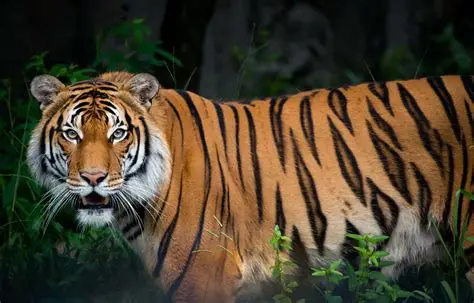

Nature is the ultimate teacher, offering lessons in balance, resilience, and coexistence. Wildlife Sanctuaries & National Parks play a vital role in preserving this harmony by protecting endangered species, conserving ecosystems, and offering people a chance to reconnect with the wild. These protected areas are not just tourist destinations; they are living museums of biodiversity, cultural heritage, and ecological importance.
This article explores the significance of wildlife sanctuaries and national parks, their history, benefits, famous destinations, challenges, and future prospects. Whether you are a nature enthusiast, a traveler, or a conservationist, this guide will help you understand why these spaces are essential for both humanity and the planet.
What are Wildlife Sanctuaries & National Parks?
- Wildlife Sanctuaries are protected areas established to conserve specific species or habitats. Human activities are regulated but not entirely prohibited, allowing controlled tourism and research.
- National Parks are stricter protected zones where exploitation of resources is prohibited. They aim to preserve entire ecosystems, landscapes, and cultural heritage.
Together, wildlife sanctuaries and national parks form the backbone of global conservation efforts, ensuring that future generations inherit a world rich in biodiversity.
Importance of Wildlife Sanctuaries & National Parks
1. Biodiversity Conservation
- Protect endangered species like tigers, elephants, rhinos, and snow leopards.
- Safeguard rare plants, medicinal herbs, and unique ecosystems.
2. Ecological Balance
- Maintain food chains and natural cycles.
- Prevent deforestation, soil erosion, and climate change impacts.
3. Cultural and Spiritual Value
- Many sanctuaries and parks are linked to indigenous traditions.
- Sacred groves and heritage sites coexist with natural landscapes.
4. Tourism and Education
- Promote eco-tourism and adventure travel.
- Offer opportunities for wildlife photography, trekking, and environmental education.
5. Economic Benefits
- Generate revenue through tourism.
- Provide livelihoods for local communities as guides, artisans, and hospitality workers.
Famous Wildlife Sanctuaries & National Parks in India
India is home to more than 100 national parks and over 500 wildlife sanctuaries, making it one of the richest countries in terms of biodiversity.
Tiger Reserves
- Jim Corbett National Park (Uttarakhand): India’s first national park, famous for Bengal tigers.
- Bandhavgarh National Park (Madhya Pradesh): Known for high tiger density.
- Sundarbans National Park (West Bengal): Mangrove forests and unique swimming tigers.
Bird Sanctuaries
- Bharatpur Bird Sanctuary (Rajasthan): UNESCO World Heritage site, home to migratory birds.
- Chilika Lake (Odisha): Asia’s largest brackish water lagoon, attracting flamingos and pelicans.
Elephant Habitats
- Periyar Wildlife Sanctuary (Kerala): Famous for elephants and scenic lake cruises.
- Kaziranga National Park (Assam): Known for one-horned rhinoceroses and elephants.
Himalayan Parks
- Great Himalayan National Park (Himachal Pradesh): UNESCO site with alpine meadows and snow leopards.
- Nanda Devi National Park (Uttarakhand): High-altitude biodiversity hotspot.
Desert and Coastal Parks
- Desert National Park (Rajasthan): Unique desert ecosystem with Great Indian Bustard.
- Marine National Park (Gujarat): Coral reefs and marine biodiversity.
Global Wildlife Sanctuaries & National Parks
| Region | Famous Parks | Highlights |
| Africa | Serengeti (Tanzania), Kruger (South Africa) | Big Five animals, savannah landscapes |
| USA | Yellowstone, Yosemite | Geysers, giant sequoias, grizzly bears |
| Australia | Kakadu, Great Barrier Reef | Wetlands, coral reefs |
| South America | Galápagos Islands (Ecuador), Amazon Rainforest | Unique species, tropical biodiversity |
| Europe | Plitvice Lakes (Croatia), Cairngorms (Scotland) | Waterfalls, alpine wildlife |
These destinations highlight the global importance of sanctuaries and parks in conserving diverse ecosystems.
Role of Wildlife Sanctuaries & National Parks in Tourism
Wildlife tourism is a growing segment worldwide. Sanctuaries and parks attract millions of visitors annually, offering:
- Safari experiences: Jeep safaris, boat rides, and trekking.
- Adventure activities: Camping, hiking, and birdwatching.
- Educational tours: School trips and research expeditions.
- Photography opportunities: Capturing rare species and landscapes.
Tourism also raises awareness about conservation, encouraging travelers to support eco-friendly practices.
Challenges Facing Wildlife Sanctuaries & National Parks
1. Human Encroachment
- Illegal logging, poaching, and land conversion threaten habitats.
2. Climate Change
- Rising temperatures and unpredictable weather affect species survival.
3. Overcrowding
- Excessive tourism leads to pollution and habitat disturbance.
4. Lack of Funding
- Many sanctuaries struggle with inadequate resources for conservation.
5. Conflict with Local Communities
- Human-wildlife conflicts arise when animals stray into villages.
Solutions and Sustainable Practices
To overcome these challenges, several measures are being adopted:
- Eco-tourism initiatives: Limiting visitor numbers and promoting responsible travel.
- Community involvement: Training locals as guides and conservationists.
- Technology use: GPS tracking, drones, and camera traps for monitoring.
- Awareness campaigns: Educating visitors about conservation ethics.
- International cooperation: Cross-border conservation efforts for migratory species.
Future of Wildlife Sanctuaries & National Parks
The future of sanctuaries and parks lies in balancing conservation with tourism. Emerging trends include:
- Digital experiences: Virtual safaris and online wildlife tours.
- Wellness tourism: Combining nature with yoga, meditation, and retreats.
- Green infrastructure: Eco-lodges and renewable energy in parks.
- Citizen science: Involving travelers in data collection and conservation projects.
Conclusion
Wildlife Sanctuaries & National Parks are more than just protected areas—they are lifelines for biodiversity, culture, and human well-being. From the tiger reserves of India to the savannahs of Africa, these spaces remind us of the beauty and fragility of nature.
For travelers, they offer adventure and inspiration; for conservationists, they are battlegrounds for survival; and for humanity, they are a legacy we must preserve. As the world faces environmental challenges, sanctuaries and parks stand as beacons of hope, urging us to protect the planet’s wild heart.