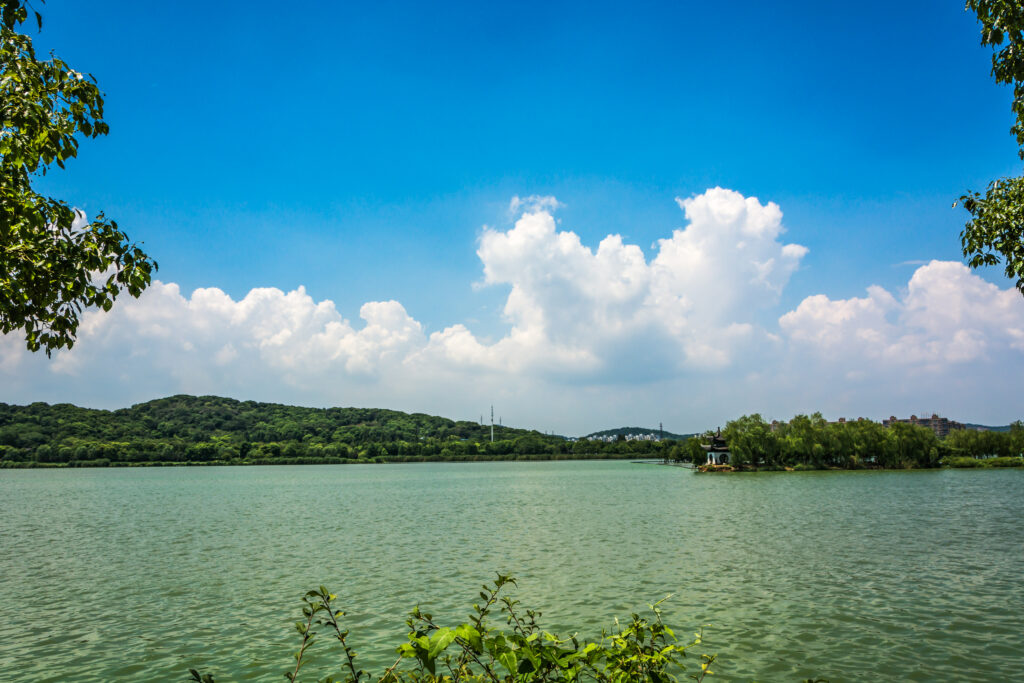

Natural lakes are more than just scenic landscapes; they are living systems that connect ecology, culture, and human survival. Vandri Lake is one such water body that reflects the harmonious relationship between nature and local communities. Known for its calm waters and surrounding natural beauty, the lake has gradually gained attention for its environmental significance and cultural relevance. As awareness grows, Vandri Lake is increasingly viewed not only as a local resource but also as a valuable regional asset.
Natural Features and Ecological Importance of Vandri Lake
Landscape, Water System, and Biodiversity
Vandri Lake is naturally formed and sustained through seasonal rainfall, surface runoff, and groundwater inflow. Its surrounding landscape typically includes open land, native vegetation, and agricultural fields, which together create a balanced ecosystem. The lake’s structure allows it to store water efficiently, making it an important freshwater source during dry seasons.
The ecosystem of the lake supports various plant species that grow along its banks and within shallow waters. These plants play a critical role in maintaining water quality and preventing soil erosion. Aquatic life, including fish and amphibians, thrives in this environment, contributing to the overall health of the ecosystem.
Birdlife is another key feature of the lake. Many resident and migratory birds depend on the lake for food and shelter, especially during certain times of the year. This biodiversity enhances the natural value of Vandri Lake, making it an important ecological zone within the region.
Cultural Significance and Community Connection
Traditions, Daily Life, and Local Identity
For nearby communities, Vandri Lake is deeply woven into daily life and cultural identity. Historically, the lake has served as a gathering place where people meet, share stories, and participate in seasonal activities. Such interactions have strengthened social bonds and preserved traditions linked to the lake.
Local customs and rituals are often associated with water bodies, and Vandri Lake is no exception. Certain festivals or cultural events may involve visits to the lake, reflecting respect for nature and gratitude for the resources it provides. These practices highlight the spiritual and emotional connection people have with the lake.
The presence of Vandri Lake. has also influenced settlement patterns and agricultural practices in the area. Villages developed nearby due to reliable water access, reinforcing the lake’s role as a foundation for community growth and stability.
Economic and Livelihood Contributions
Beyond culture, Vandri Lake supports livelihoods in practical ways. Farmers rely on the lake for irrigation, especially during periods of low rainfall. Livestock owners depend on it as a watering source, while small-scale fishing provides food and supplemental income for some families.
These economic activities are generally low-impact and guided by traditional knowledge, which helps prevent overuse. The sustainable use of the lake has allowed it to remain productive over time, proving that natural resources can support human needs without being depleted when managed responsibly.
Environmental Value and Future Sustainability
Conservation Challenges and Opportunities
Despite its many benefits, Vandri Lake faces environmental challenges. Changes in climate patterns, increased water demand, and human activities around the lake can affect water levels and quality. Pollution, unplanned development, and reduced vegetation cover are potential threats that need attention.
Protecting Vandri Lake. requires a combination of awareness, planning, and community involvement. Conservation efforts such as maintaining buffer zones, controlling waste disposal, and preserving native plant species can help protect the lake’s ecosystem. Regular monitoring of water quality is also essential to ensure long-term sustainability.
Potential for Education and Responsible Tourism
In addition to conservation, Vandri Lake holds strong potential as an educational and eco-tourism site. Schools, researchers, and environmental groups can use the lake as a learning resource to study freshwater ecosystems, biodiversity, and sustainable water management.
Responsible tourism can further enhance the lake’s value. Activities such as nature walks, bird watching, and environmental awareness programs can attract visitors while maintaining ecological balance. Tourism initiatives should focus on minimal infrastructure and maximum environmental protection to ensure that the lake’s natural character is preserved.
When local communities are involved in tourism planning, they benefit economically while becoming active guardians of the environment. This balanced approach ensures that development supports conservation rather than harming it.
Conclusion
Vandri Lake stands as a powerful example of how natural water bodies contribute to ecological balance, cultural heritage, and human well-being. Its natural features support biodiversity, its cultural significance strengthens community identity, and its environmental value highlights the importance of conservation. As interest in the lake grows, careful planning and responsible management will be essential.
By respecting nature, involving local communities, and promoting sustainable practices, Vandri Lake. can continue to serve as a vital resource and a meaningful landmark. Its story reminds us that protecting natural ecosystems is not only an environmental responsibility but also a cultural and social investment for the future.