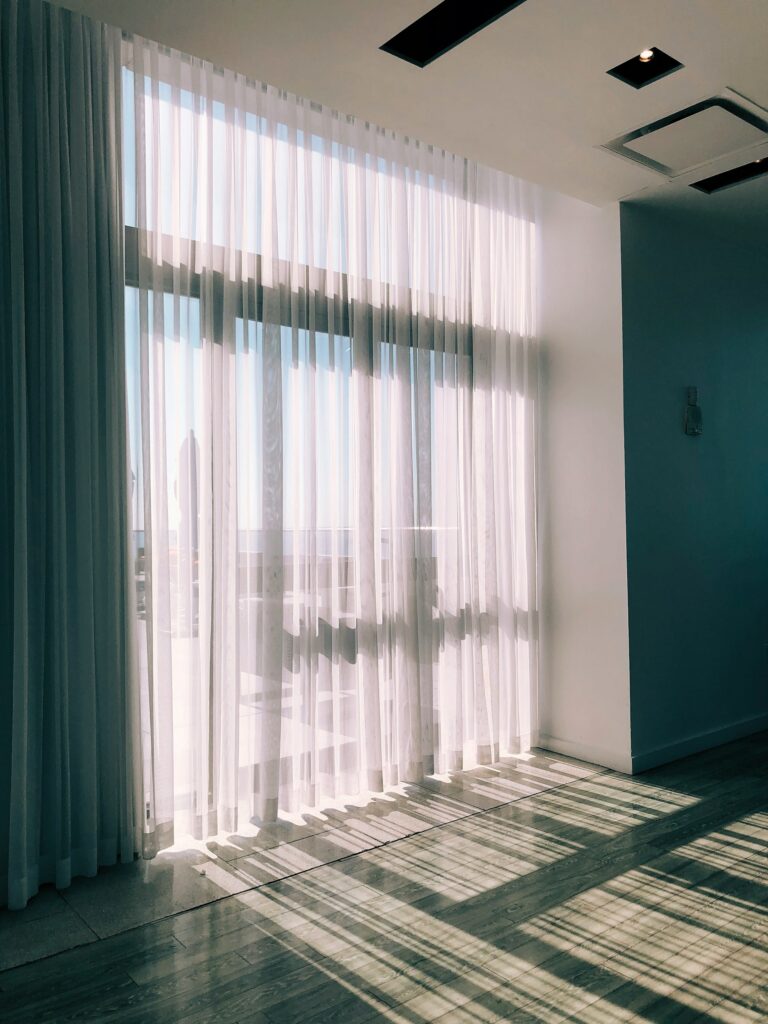

Interior decoration is most commonly referenced with regards to furniture, wall colours, and lighting; however, soft furnishings play an equally important, quiet role in shaping the feel of a space. Of these, arguably one of the most functional and expressive elements of the home is curtains. They affect light, privacy, comfort, and mood but usually do not draw attention to themselves.
Curtains are typically one of the first features that catch a person’s eye upon entering a room, if only in the subconscious mind. The way fabric falls around a window frames the space and sets a visual rhythm. Light, flowing curtains make a room feel open and relaxed, while heavier fabrics create insulation and a sense of control. This balance between softness and control is what makes curtains such a versatile part of interior design.
Curtains, from a practical point of view, mediate daytime natural light. Morning light coming through light, gossamer fabric may create a serene and inviting climate, whereas curtains of a denser nature may diffuse ugly glare, shielding interiors from the mercurial fieriness of afternoon sun. In the bedrooms, curtains play an important role in supporting rest by controlling brightness and noise; thus, they are equally relevant for comfort as for appearance.
Material selected greatly influences the functionality of curtains in a room. Natural fabrics like cotton and linen can provide a loose, airy feel and serve well in casual living areas. Heavier materials like velvet or layered curtains provide insulation and maintain indoor temperature, especially in colder months. Texture adds depth to a room, and often with far more subtlety than colour or pattern.
Colour and pattern also play a part in how a room is perceived. Neutral-coloured curtains will tend to provide a timeless backdrop against which other design elements are allowed to shine. A bolder pattern or deeper tone can often give a room character and may become the focal point of the room, especially when the remainder of the space is kept quite minimalist. It is all about balance, and ensuring the curtains don’t compete with, but complement, the surrounding décor.
Curtains can also create a different sense of space in the room. Hanging them closer to the ceiling can make ceilings higher, and wider placement of curtains can give the impression of larger windows. These little choices with design subtly shape how a room feels and another good example of how interior decoration is often about proportion just as much as style.
Another often overlooked aspect is how curtains influence acoustics. Fabrics absorb sound and thereby help lower the echoes of rooms that have hard surfaces, like tiled floors or big windows. In open-plan homes, curtains can soften the general atmosphere, adding to a quieter, more comfortable living area.
Seasonal changes also affect how the use of curtains is considered. Lighter fabrics are generally used during warmer months to permit airflow and brightness, whereas thicker curtains provide insulation and a feeling of coziness during winter. It’s this flexibility in using curtains that enables homeowners to renew the atmosphere of a room without needing to make major changes.
Ultimately, curtains are a reflection of the lifestyle of individuals in their homes. You can buy curtains online from popular websites for best interior decor. They show privacy yet not isolation, light and not exposure, decoration yet not permanency. Well-thought-out curtains can add character to a house while still promoting daily comfort, hence being an integral yet sometimes unnoticed part of interior decoration. In a world where the interior trends change so fast, curtains are one steady element easily adapting to every evolving style. Since they can merge functionality with aesthetic appeal so well, they go on to play an important role in creating homes that feel practical and personal.
