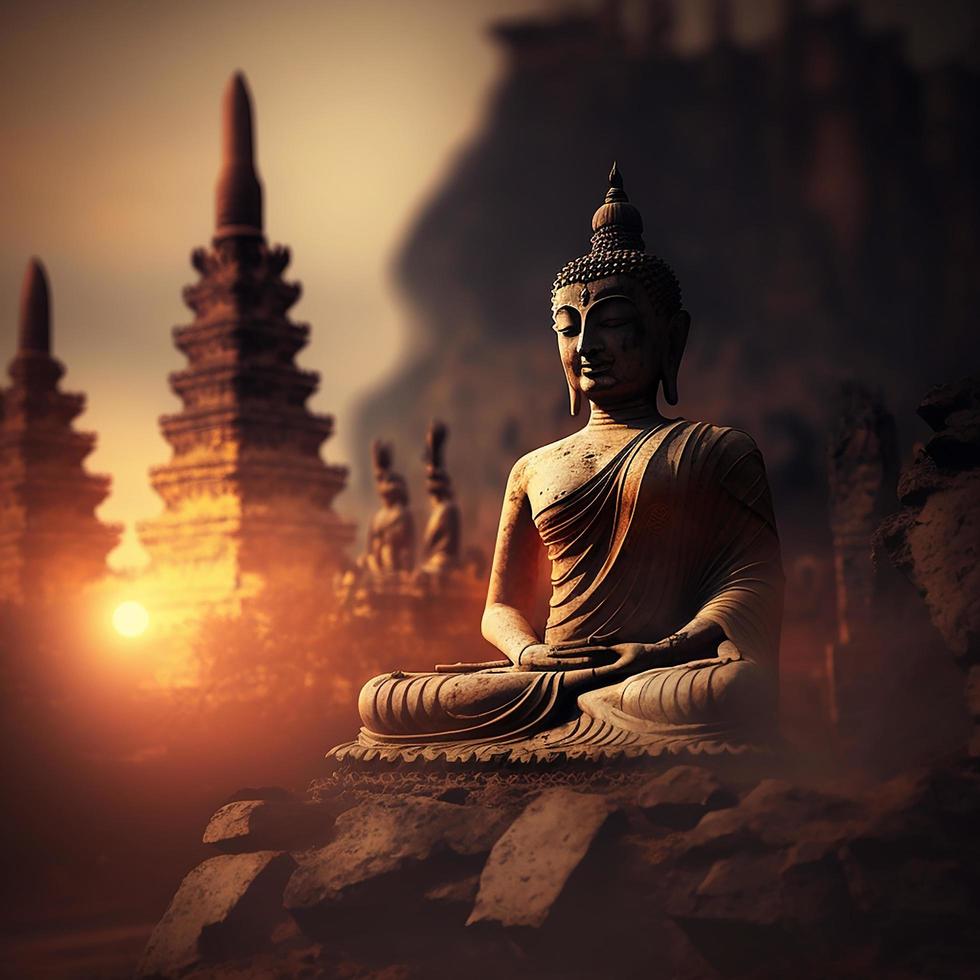

India is the birthplace of Buddhism, a philosophy and way of life that has inspired millions across the globe. Popular Buddhist Destinations in India are not only sacred pilgrimage sites but also cultural treasures that showcase centuries of history, art, and spirituality. From Bodh Gaya, where Lord Buddha attained enlightenment, to Kushinagar, where he entered Mahaparinirvana, these destinations form the heart of the Buddhist circuit and continue to attract pilgrims, scholars, and travelers from around the world.
🌍 Introduction to Buddhist Tourism in India
- Spiritual significance: India houses the most important sites linked to Buddha’s life and teachings.
- Global appeal: Pilgrims from Sri Lanka, Thailand, Japan, Myanmar, and beyond visit these destinations.
- Cultural richness: Monasteries, stupas, and temples showcase centuries of Buddhist art and architecture.
- Tourism growth: The Buddhist circuit is promoted by the Indian government as a major pilgrimage route.
🕉️ Popular Buddhist Destinations in India
Bodh Gaya (Bihar)
- The most sacred Buddhist site in the world.
- Lord Buddha attained enlightenment under the Bodhi tree here.
- The Mahabodhi Temple, a UNESCO World Heritage Site, is the centerpiece.
- International monasteries built by countries like Thailand, Japan, and Bhutan enrich the spiritual atmosphere.
Sarnath (Uttar Pradesh)
- The place where Buddha delivered his first sermon, known as the “Dhammachakra Pravartan.”
- Key attractions include Dhamek Stupa, Chaukhandi Stupa, and the Ashoka Pillar.
- The Sarnath Museum houses important Buddhist relics and sculptures.
Kushinagar (Uttar Pradesh)
- The site of Buddha’s Mahaparinirvana (final passing).
- Attractions include the Mahaparinirvana Temple and Ramabhar Stupa.
- A serene destination ideal for meditation and reflection.
Rajgir and Nalanda (Bihar)
- Rajgir: Buddha spent many years here teaching disciples.
- Nalanda: Ancient university and center of Buddhist learning, now a UNESCO World Heritage Site.
- Both sites highlight the intellectual and spiritual legacy of Buddhism.
Shravasti (Uttar Pradesh)
- Buddha spent 24 monsoon seasons here.
- Jetavana Monastery is a key attraction.
- Known for its peaceful environment and historical ruins.
Vaishali (Bihar)
- Associated with Buddha’s last sermon.
- Famous for the Ashokan Pillar and relic stupa.
- Important for both Buddhist and Jain traditions.
🏔️ Lesser-Known Buddhist Destinations in India
- Kaushambi (Uttar Pradesh): Buddha visited this ancient city several times.
- Ladakh (Jammu & Kashmir): Home to monasteries like Hemis, Thiksey, and Lamayuru.
- Tawang (Arunachal Pradesh): Famous for Tawang Monastery, one of the largest in Asia.
- Nagpur (Maharashtra): Deekshabhoomi, where Dr. B.R. Ambedkar embraced Buddhism.
- Sikkim: Rumtek Monastery and other sites showcasing Tibetan Buddhist traditions.
🌐 Activities for Tourists
- Meditation retreats: Guided sessions at monasteries and centers.
- Temple visits: Exploring stupas, monasteries, and heritage sites.
- Lectures and teachings: Learning Buddhist philosophy from monks and scholars.
- Cultural immersion: Participating in local rituals, festivals, and community activities.
- Nature walks: Many Buddhist sites are located in serene natural settings.
🌱 Importance of Popular Buddhist Destinations in India
- Spiritual growth: Helps travelers practice mindfulness and compassion.
- Cultural learning: Offers insights into Buddhist traditions and history.
- Economic impact: Generates employment for guides, artisans, and hospitality workers.
- Global recognition: Strengthens India’s role as the birthplace of Buddhism.
- Community bonding: Connects travelers with monks, devotees, and fellow seekers.
🧭 Challenges in Buddhist Tourism
- Infrastructure gaps: Some sites lack modern facilities for international tourists.
- Overcrowding: Popular destinations like Bodh Gaya face congestion during peak seasons.
- Environmental concerns: Preservation of heritage sites and natural surroundings is crucial.
- Awareness issues: Many lesser-known Buddhist sites remain under-promoted.
🏕️ Role of Government and Organizations
- PRASHAD Scheme: Focuses on developing pilgrimage destinations, including Buddhist circuits.
- International collaborations: India works with Nepal, Sri Lanka, and other countries to promote Buddhist tourism.
- UNESCO recognition: Several Buddhist sites are World Heritage Sites.
- Community involvement: Local monks and organizations play a key role in guiding tourists.
🌟 Future of Buddhist Tourist Destinations in India
- Digital pilgrimages: Virtual tours and online meditation sessions.
- Eco-tourism: Sustainable practices at monasteries and heritage sites.
- Luxury retreats: Boutique resorts offering wellness and spirituality.
- Youth involvement: Encouraging students to explore Buddhist philosophy.
- Global outreach: Marketing Buddhist circuits to international audiences.
✨ Conclusion
Popular Buddhist Destinations in India are not just places to visit—they are journeys into peace, wisdom, and cultural heritage. From Bodh Gaya’s sacred Bodhi tree to Kushinagar’s serene stupas, from Nalanda’s intellectual legacy to Sarnath’s first sermon site, these destinations offer travelers a chance to connect with history and spirituality. As interest in mindful travel grows, Buddhist tourism will continue to thrive, shaping the future of cultural and spiritual tourism across India and beyond.