A dependable and efficient electrical network is essential for powering homes, industries, and commercial spaces. As electrical demand increases, the need for strong system protection becomes even more important. One of the key components responsible for ensuring electrical safety and stable distribution is the circuit breaker in power system. This protective device plays a crucial role in identifying faults, interrupting dangerous currents, and safeguarding equipment and people from electrical hazards. Another important safety device used alongside it is the isolator, which ensures safe disconnection during maintenance and repair work.
This detailed guide explores the types, working principles, and applications of circuit breakers in modern power systems while highlighting how isolators contribute to the safety of electrical networks.
What Is a Circuit Breaker in Power System?
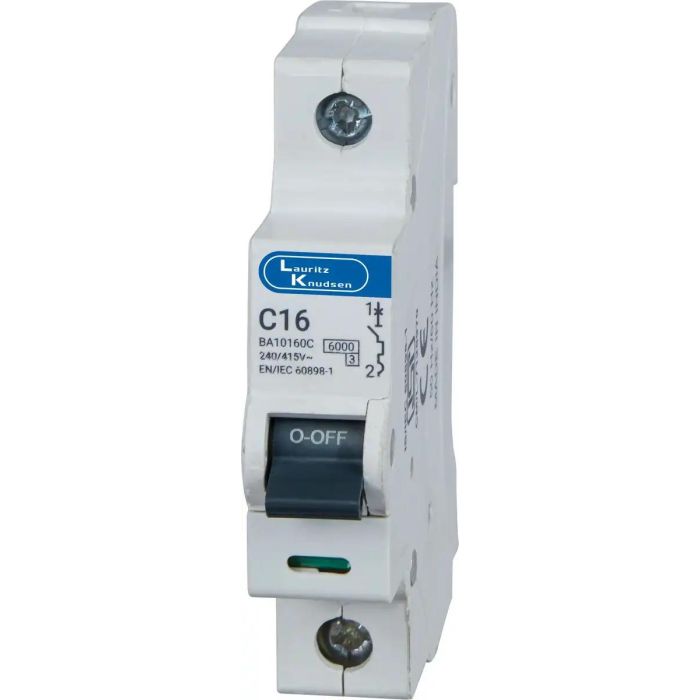
A circuit breaker in power system is an electrically operated switch designed to interrupt current flow automatically whenever an abnormal condition occurs. It protects electrical circuits from damage caused by overloads, short circuits, and equipment failures. When a fault is detected, the breaker opens its contacts and stops the flow of electricity, preventing damage and improving system safety.
Circuit breakers are more efficient and reliable than fuses, as they can be reset after a trip without needing replacement. This makes them suitable for residential, commercial, and industrial environments.
How a Circuit Breaker Works
The primary function of a circuit breaker is to detect faults and interrupt current flow. Its operation can be broken down into the following steps:
- Fault Detection
Sensors inside the breaker constantly monitor the current. If an overload or short circuit occurs, the breaker immediately detects the abnormal rise in current.
- Tripping Mechanism
Once a fault is detected, the tripping mechanism activates. Breakers may use thermal, magnetic, or electronic tripping systems.
- Thermal trips occur due to prolonged overload.
- Magnetic trips occur instantly in response to a short circuit.
- Arc Quenching
When the contacts open, an electric arc forms. Breakers use materials such as air, vacuum, oil, or gas to extinguish this arc quickly and safely.
- Resetting the Breaker
After the fault is cleared, the breaker can be reset manually or automatically to restore power.
This reliable and fast mechanism protects wiring, appliances, and large electrical systems from severe damage.
Types of Circuit Breakers in Power System
Different electrical networks require different types of circuit breakers. Here are the most widely used types:
- Miniature Circuit Breaker (MCB)
MCBs are used in homes and commercial buildings for low-current protection. They protect lighting circuits, household appliances, and wiring from overload and short circuits.
- Moulded Case Circuit Breaker (MCCB)
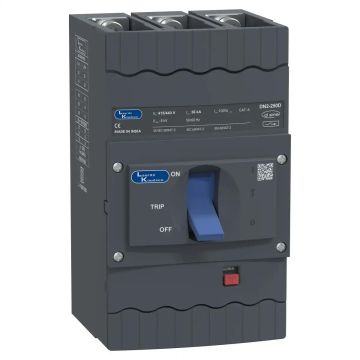
MCCBs are used in high-current applications found in industries and large commercial buildings. They offer adjustable settings, making them ideal for protecting heavy machinery.
- Air Circuit Breaker (ACB)
Used in low-voltage switchgear, ACBs use air to extinguish the arc. They are common in distribution panels and industrial plants.
- Vacuum Circuit Breaker (VCB)
Ideal for medium-voltage applications, VCBs extinguish arcs inside a sealed vacuum chamber. They are durable and require minimal maintenance.
- SF6 Circuit Breaker
These breakers use sulfur hexafluoride gas for arc quenching. They are commonly found in high-voltage substations due to their excellent insulation properties.
- Oil Circuit Breaker
Although less common today, oil circuit breakers were widely used in high-voltage networks for many years. The insulating oil helped extinguish arcs effectively.
Each type has a specific purpose depending on voltage level, application, and system requirements.
Role of an Isolator in Power Systems
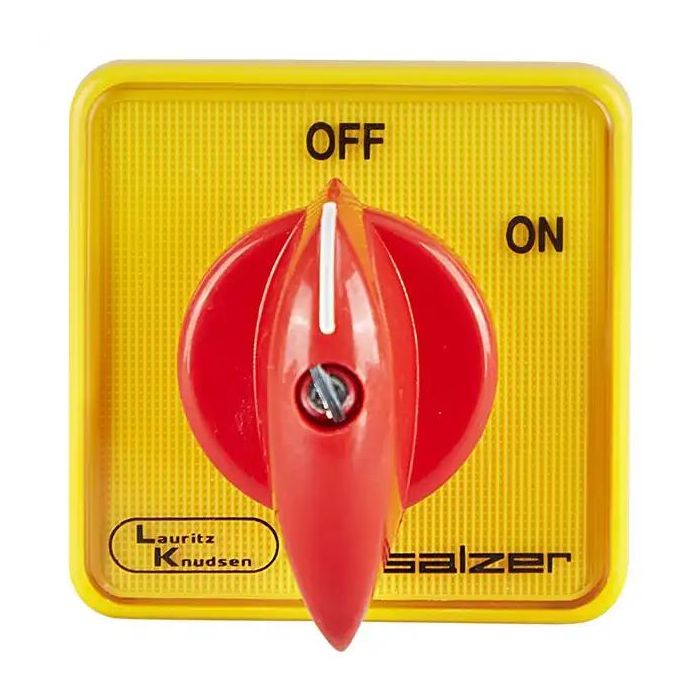
An isolator is a manually operated device used to disconnect a circuit for maintenance. Unlike circuit breakers, isolators cannot interrupt a current flow and must only be operated when the circuit is de-energized.
Key Characteristics of an Isolator:
- It provides a visible gap for complete disconnection.
- Ensures safe maintenance for technicians.
- Used in substations, transformer yards, and industrial equipment.
- Cannot break load current and is not used for protection.
Isolators are typically installed before or after circuit breakers to ensure complete safety during repair, inspection, or switching operations.
Circuit Breaker vs Isolator: Key Differences
Though both devices deal with electrical control, they serve very different purposes:
- A circuit breaker in power system both detects and interrupts faults.
- An isolator simply disconnects the circuit but cannot handle live faults.
- Circuit breakers are automatic; isolators are manual.
- Breakers provide protection; isolators ensure maintenance safety.
This combination ensures electrical networks remain protected during operation and safe during maintenance.
Applications of Circuit Breakers in Power Systems
Circuit breakers are used across every segment of electrical infrastructure. Some major applications include:
- Residential Protection
MCBs protect homes from short circuits and overloads. They ensure safe power distribution for lighting, appliances, and wall sockets.
- Commercial Buildings
Malls, hospitals, and offices depend on circuit breakers for the protection of HVAC systems, lifts, escalators, and computer networks.
- Industrial Facilities
Factories use MCCBs, ACBs, and VCBs to protect high-power motors, machines, and control systems.
- Transmission and Distribution Networks
High-voltage lines and substations rely on VCBs and SF6 breakers for fault isolation and system stability.
- Renewable Energy Installations
Solar plants, wind farms, and battery systems use specialized circuit breakers for array protection and energy conversion safety.
- Motor Control Centers
Large motors require circuit breakers to protect against high inrush currents and mechanical failures.
Circuit breakers ensure every level of the electrical system operates safely and efficiently.
Advantages of Circuit Breakers in Modern Power Systems
A circuit breaker in power system provides several benefits that make it an essential component of electrical engineering:
- High Reliability
Circuit breakers are engineered for fast and accurate fault detection, ensuring minimal damage.
- Easy Operation and Resetting
Unlike fuses, circuit breakers can be reset instantly after a trip.
- Long Service Life
Most breakers are durable, can withstand numerous operations, and require minimal maintenance.
- Advanced Protection Features
Modern breakers come with adjustable settings, microprocessor-based controls, and remote monitoring capabilities.
- Versatility Across Applications
From low-voltage homes to high-voltage substations, circuit breakers are used everywhere.
These advantages make circuit breakers essential for modern electric grids.
Selecting the Right Circuit Breaker
Choosing the correct circuit breaker requires considering several factors, such as:
- Voltage and current ratings
- Interruption or breaking capacity
- Type of load (resistive or inductive)
- Application environment
- Safety certifications
- Fault level of the system
A proper selection ensures efficiency, safety, and long-term reliability.
Conclusion
A circuit breaker in power system is a critical device that ensures the safe and efficient operation of electrical networks. It safeguards systems from overloads, short circuits, and equipment failures. Complementing it, the isolator ensures safe disconnection and maintenance, making these two devices fundamental for a secure power infrastructure.
For trusted electrical protection solutions and expert guidance, Lauritz Knudsen Electrical and Automation provides high-quality products designed to support modern electrical systems across residential, commercial, and industrial sectors.