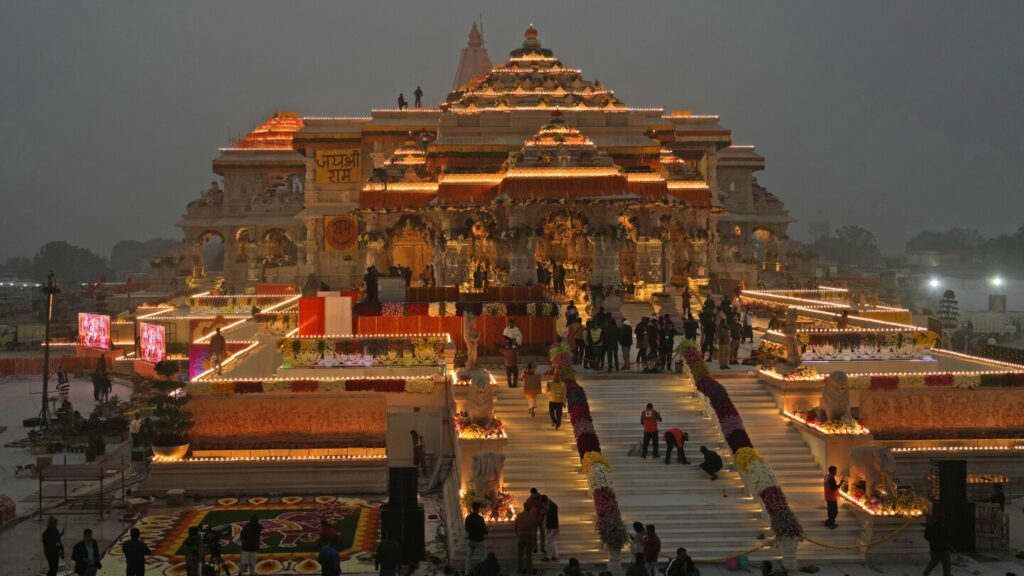

Ayodhya, the sacred city on the banks of the Sarayu River in Uttar Pradesh, is one of India’s most important pilgrimage destinations. This guide explores the best time to visit Ayodhya, seasonal highlights, and practical tips for travelers. Known as the birthplace of Lord Rama, Ayodhya attracts millions of devotees and tourists every year. Planning your trip at the right time is crucial to fully enjoy the city’s temples, ghats, and cultural festivals.
🌄 Seasonal Overview of Ayodhya
| Season | Months | Temperature Range | Travel Experience |
| Winter (Best Season) | October – March | 10°C – 25°C | Pleasant weather, ideal for sightseeing, festive atmosphere |
| Summer (Moderate Season) | April – June | 30°C – 40°C | Hot afternoons, suitable for early morning/evening visits |
| Monsoon (Off Season) | July – September | 25°C – 35°C | Heavy rainfall, high humidity, discounted stays |
Sources:
❄️ Winter (October – March): The Best Time to Visit Ayodhya
- Weather: Cool and comfortable, with temperatures ranging between 10°C and 25°C.
- Festivals:
- Diwali (Deepotsav): Ayodhya lights millions of diyas along the Sarayu River, creating a magical spectacle.
- Ram Navami: Celebrates the birth of Lord Rama with grand processions and temple rituals.
- Activities: Perfect for temple visits (Ram Janmabhoomi, Hanuman Garhi, Kanak Bhawan), ghats, and cultural walks.
- Why Visit: The festive atmosphere combined with pleasant weather makes winter the most recommended season.
☀️ Summer (April – June): Moderate Season
- Weather: Hot and dry, with temperatures soaring up to 40°C.
- Travel Tips:
- Sightseeing is best done in the early morning or late evening.
- Carry light cotton clothes, sunscreen, and stay hydrated.
- Advantages:
- Fewer crowds compared to winter.
- Budget-friendly accommodations available.
- Drawbacks: Heat can make daytime temple visits uncomfortable.
🌧️ Monsoon (July – September): Off Season
- Weather: Heavy rainfall and high humidity, with temperatures between 25°C and 35°C.
- Travel Tips:
- Roads and ghats can be slippery.
- Carry umbrellas and rain gear.
- Advantages:
- Lush greenery and discounted hotel rates.
- Drawbacks: Outdoor activities and riverfront visits may be risky.
🎉 Festival Calendar in Ayodhya
Visiting Ayodhya during festivals enhances the experience:
- Ram Navami (March–April): Celebrates Lord Rama’s birth.
- Diwali (October–November): Deepotsav with millions of diyas.
- Makar Sankranti (January): Devotees take holy dips in the Sarayu River.
- Shravan Jhula Mela (July–August): Celebrates Lord Rama and Sita with decorated swings.
🚴 Activities by Season
- Winter: Temple tours, ghats, cultural walks, photography.
- Summer: Early morning darshan, indoor museums (Ram Katha Museum).
- Monsoon: Spiritual retreats, meditation, enjoying lush surroundings.
🛂 Practical Travel Tips
- Best Months: October to March for pleasant weather and festivals.
- Clothing:
- Winter: Light woolens.
- Summer: Cotton clothes.
- Monsoon: Rain gear.
- Accommodation: Book early during festivals like Diwali and Ram Navami.
- Transport: Ayodhya Airport and railway station connect the city to major destinations.
📅 Sample Itinerary (Winter Season)
Day 1: Arrival, visit Ram Janmabhoomi and Hanuman Garhi.
Day 2: Explore Kanak Bhawan, Nageshwarnath Temple, and Sita Ki Rasoi.
Day 3: Guptar Ghat, Treta Ke Thakur, evening aarti at Ram Ki Paidi.
Day 4: Tulsi Smarak Bhawan, Ram Katha Museum, shopping for souvenirs.
Day 5: Attend festival celebrations (if visiting during Diwali or Ram Navami).
✨ Conclusion
The best time to visit Ayodhya is October to March, when the weather is cool, the city is vibrant with festivals, and sightseeing is comfortable. Summers are manageable with precautions, while monsoons are best avoided unless you enjoy lush greenery and quiet retreats. By planning your trip during winter, you can experience Ayodhya’s temples, ghats, and cultural heritage at their finest.