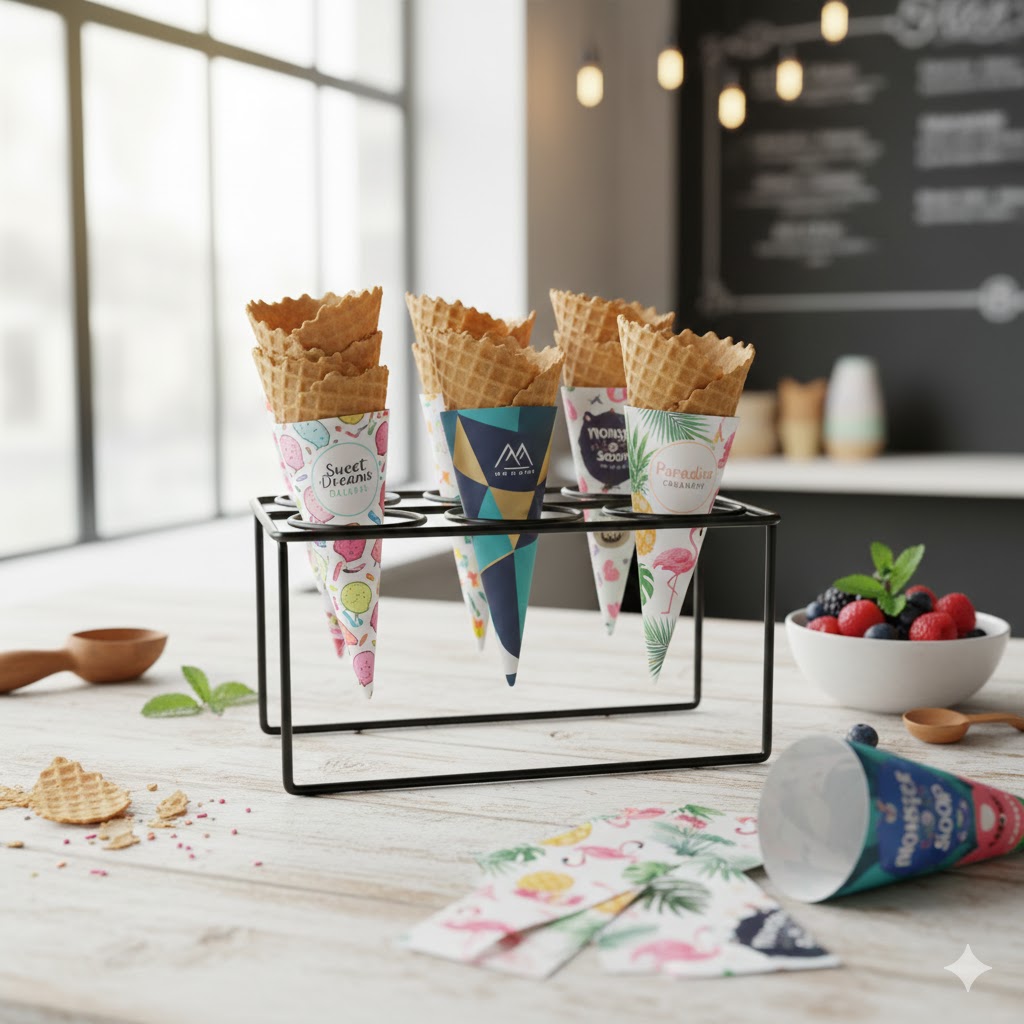

Dessert presentation influences customers’ trust in a restaurant’s overall quality standards significantly. Visual appeal creates expectations about taste and ingredient quality before eating begins. Clean, organized displays suggest attention to detail throughout all kitchen operations. Messy or careless presentations make people question hygiene and preparation standards everywhere. Trust develops through consistent delivery of visually appealing desserts over multiple visits. Customers judge professionalism based on how final courses appear on tables. Every dessert serves as proof of commitment to excellence across operations. Strategic presentation choices strengthen relationships and encourage repeat business from satisfied customers.
Why Does Visual Quality Signal Overall Standards?
Visual quality signals that businesses maintain high standards across all operational areas. Careful plating demonstrates attention to details that extend beyond what customers see. Sloppy presentations suggest rushed work and lack of pride in delivered products. Customers assume kitchens treat all food with the same care level. Impressive dessert displays create positive final impressions that influence overall visit ratings. The last course memories often dominate how people remember entire dining experiences. Consistent visual excellence proves commitment to quality that builds lasting trust. Standards become evident through accumulated small details customers notice and remember.
What Role Does Cleanliness Play in Trust Building?
Cleanliness in dessert presentation directly affects customer confidence in food safety. Spotless plates and clean edges show proper handling and sanitary practices. Smudges or spills suggest careless service that makes people question kitchen standards. Clean garnishes indicate fresh ingredients and proper storage throughout the operation. Ice cream cone sleeves and similar materials demonstrate attention to sanitary presentation. Visible cleanliness reassures customers about invisible hygiene practices behind the scenes. Trust grows when every detail reflects commitment to sanitary food handling. Cleanliness standards become proof of professionalism that customers value highly today.
How Does Consistency Create Predictable Trust?
Consistency creates predictable experiences that allow trust to develop over time. WaxPapersHub emphasizes that reliable standards strengthen customer confidence in brand quality. Variable presentations confuse customers about what quality level to expect during visits. Standardized techniques ensure desserts look similar regardless of who prepares them. Documentation helps teams maintain presentation standards even as staff members change. Customers return when they know exactly what quality they will receive. Predictability eliminates anxiety about whether visits will meet expectations or disappoint. Trust builds through repeated delivery of consistent quality across multiple experiences.
Can Attention to Detail Demonstrate Care?
Attention to detail demonstrates that businesses care about customer experience quality. Precise garnish placement shows effort beyond minimum requirements for acceptable service. Thoughtful color coordination proves consideration of how desserts appear to diners. Clean lines and deliberate arrangement reveal pride in work that customers notice. Small touches like dusted cocoa or fresh berries signal extra care. Details cost little but communicate significant commitment to excellence and satisfaction. Customers feel valued when businesses invest effort in presentation quality consistently. Care shown through details translates into trust and loyalty over time.
Why Should Portion Appearance Match Customer Expectations?
Portion appearance must match expectations to maintain trust and prevent disappointment. Smaller portions than expected feel deceptive and damage credibility with customers. Larger portions than anticipated create positive surprises that strengthen trust bonds. Consistent sizing prevents confusion about value and prevents negative comparisons between visits. Visual cues like plate coverage help customers assess whether portions satisfy. Transparency in portion size builds trust more than attempts to deceive. Food packaging choices for takeaway desserts also affect portion perception significantly. Accurate representation shows honesty that customers appreciate and remember over time.
What Impact Does Garnish Freshness Have on Confidence?
Garnish freshness indicates overall ingredient quality throughout the entire establishment’s operations. Wilted or brown garnishes suggest old inventory and poor quality control. Fresh fruits and herbs communicate commitment to ingredient standards and customer satisfaction. Garnish condition reveals how recently items were prepared and handled properly. Customers extrapolate garnish quality to judge all ingredients used in Canada. Fresh garnishes cost more but prove dedication to quality over shortcuts. Visual freshness builds confidence that extends beyond the specific dessert served. Quality garnishes separate professional operations from those cutting corners to save money.
How Do Color Choices Affect Trust Perception?
Color choices influence whether desserts appear appetizing and professionally prepared to customers. Natural colors suggest real ingredients rather than artificial additives or shortcuts. Vibrant colors indicate freshness and proper preparation techniques throughout the process. Dull or faded colors raise concerns about age and storage conditions. Strategic color combinations create visual harmony that suggests careful planning and skill. Unnatural colors make customers question ingredient quality and health considerations involved. Color coordination demonstrates knowledge and professionalism that builds confidence in abilities. Thoughtful color application shows respect for customer preferences and dining experience.
Can Plating Technique Show Skill Level?
Plating technique reveals skill levels that customers associate with overall food quality. Precise placement demonstrates training and experience in professional food preparation standards. Random arrangements suggest lack of knowledge or care about presentation importance. Advanced techniques like quenelles or tuiles signal expertise throughout the kitchen. Basic plating executed perfectly still builds more trust than complex work. Technique consistency across different desserts proves systematic training and quality control. Customers recognize skill through execution and associate it with reliable quality. Professional technique creates confidence that translates into willingness to try new items.
Why Does Temperature Presentation Matter for Trust?
Temperature presentation affects whether customers believe desserts meet proper quality standards. Cold desserts served at the correct temperature show proper equipment and handling. Melting ice cream suggests poor timing or inadequate storage conditions throughout. Frozen desserts at proper firmness demonstrate knowledge of serving requirements precisely. Temperature-appropriate serving vessels show understanding of how desserts should be presented. Visual temperature cues like condensation or steam signal freshness and proper timing. Incorrect temperatures raise doubts about other quality aspects customers cannot see. Proper temperature handling proves competence that extends trust to other operations.
Conclusion
Dessert presentation builds customer trust through multiple coordinated quality signals working together. Visual quality and cleanliness demonstrate commitment to standards across all operations. Consistency and attention to detail show care that customers recognize and value. Portion accuracy and garnish freshness prove honesty and ingredient quality throughout. Color choices and plating techniques reveal professional skill and knowledge levels. Temperature presentation demonstrates competence in proper dessert handling and service timing. Trust develops through accumulated positive signals across repeated customer experiences