
Introduction
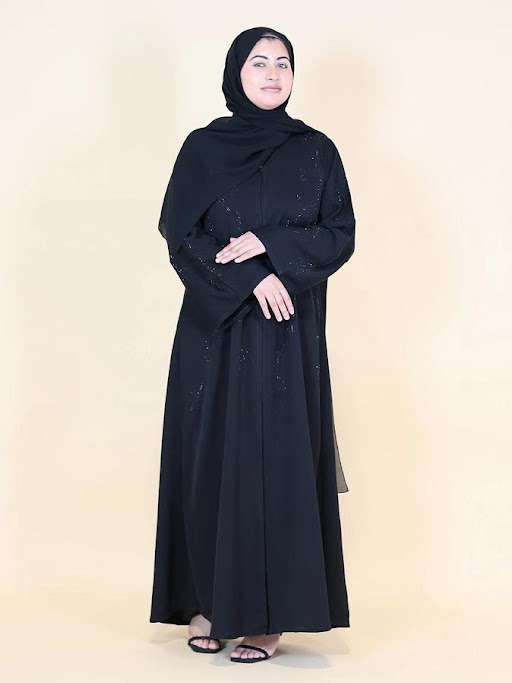
The abaya is more than a garment in the Middle East—it is a cultural symbol that reflects identity, tradition, and evolving style. Traditionally worn as a modest outer cloak, the abaya has transformed over time into a fashion statement that balances heritage with modern aesthetics. Today, abayas for women showcase a wide range of designs, fabrics, and silhouettes influenced by regional customs, global fashion trends, and personal expression.
Cultural Roots of the Abaya
The origins of the abaya are deeply tied to the cultural and religious values of the Middle East. Modesty is a core principle in many societies across the region, and the abaya historically served as a practical, respectful garment suitable for public spaces. In countries such as Saudi Arabia, the UAE, Kuwait, and Qatar, the abaya became an everyday essential, traditionally designed in black with a loose fit to ensure comfort and discretion in hot climates.
Over generations, the abaya evolved alongside social changes. As women’s roles expanded in education, business, and public life, their clothing adapted too—maintaining modesty while allowing for individuality and style.
Regional Style Variations
While the abaya is worn across the Middle East, each country has developed distinct interpretations:
- Saudi Arabia: Classic black abayas remain popular, often enhanced with subtle embroidery, pleats, or textured fabrics.
- United Arab Emirates: Known for luxury and innovation, Emirati abayas frequently feature high-quality fabrics, modern cuts, and elegant detailing.
- Kuwait: Kuwaiti styles are fashion-forward, with tailored fits, bold embellishments, and experimental silhouettes.
- Qatar & Bahrain: Designs tend to be refined and minimal, focusing on clean lines and premium materials.
These regional differences highlight how culture, climate, and lifestyle influence abaya fashion across the Middle East.
The Rise of Modern Silhouettes
In recent years, contemporary silhouettes have redefined traditional abaya designs. One of the most notable trends is open abayas, which are worn unfastened over coordinated outfits. This style allows women to layer fashion pieces underneath while maintaining modest coverage. Open abayas are especially popular among younger generations, as they offer versatility for casual wear, work settings, and social gatherings.
Designers experiment with flowing cuts, belted waists, kimono-inspired sleeves, and lightweight fabrics, making abayas suitable for both everyday wear and special occasions.
Embellishments and Decorative Elements
Another significant evolution in abaya fashion is the use of decorative details. Embellished abayas feature embroidery, beadwork, lace, sequins, pearls, and metallic accents. These details often draw inspiration from traditional Middle Eastern art, Islamic geometry, and nature motifs.
Such designs are commonly worn at weddings, festive celebrations, and formal events. While some prefer bold, ornate patterns, others opt for minimal embellishments placed along sleeves, hems, or collars, achieving elegance without excess.
Fabric Choices and Craftsmanship
Fabric selection plays a vital role in abaya design. Lightweight crepe, chiffon, nida, satin, and silk blends are commonly used to ensure breathability and comfort. High-quality craftsmanship is highly valued, with attention given to stitching, drape, and finishing.
Luxury abayas often involve hand-embroidered details and custom tailoring, reflecting the region’s appreciation for artisanal work and premium fashion.
Global Influence and Fashion Innovation
Middle Eastern abaya fashion has gained international recognition, with designers showcasing collections at global fashion weeks. This exposure has introduced modern cuts, pastel shades, and even sustainable fabrics into traditional designs. Social media has further accelerated trends, allowing designers and influencers to shape how abayas are styled worldwide.
Despite these global influences, the essence of the abaya remains rooted in cultural identity, making it a powerful symbol of tradition meeting modernity.
Conclusion
Abaya fashion in the Middle East beautifully reflects the balance between heritage and contemporary style. From classic designs to open abayas and intricately embellished abayas, the garment continues to evolve while honoring its cultural significance. Today, abayas for women are not just about modesty—they are expressions of confidence, creativity, and cultural pride, adapting seamlessly to modern lifestyles while preserving timeless values.